
Hollow glass microspheres can be used in paint and coatings, construction sealant, rubber, plastic, FRP, artificial stone, putty and other products as filler and weight-reducing agent. The glass bubbles can also be used to produce high-strength, low-density cement slurry and low-density drilling fluid in oil and gas extraction industry. more and more industries now trying to testing the hollow glass spheres as additives to improve their products’ properties.
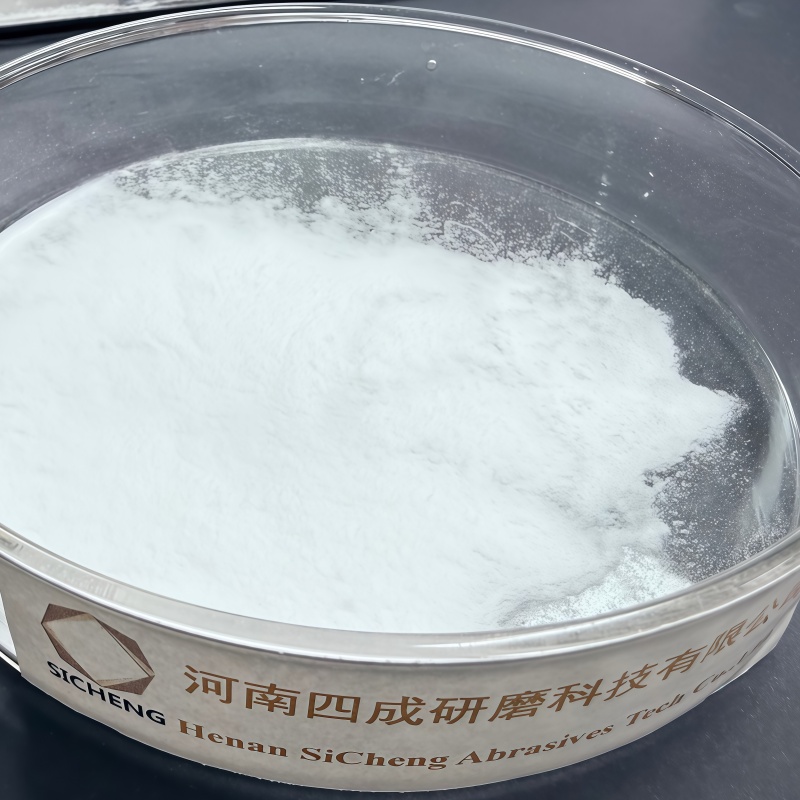
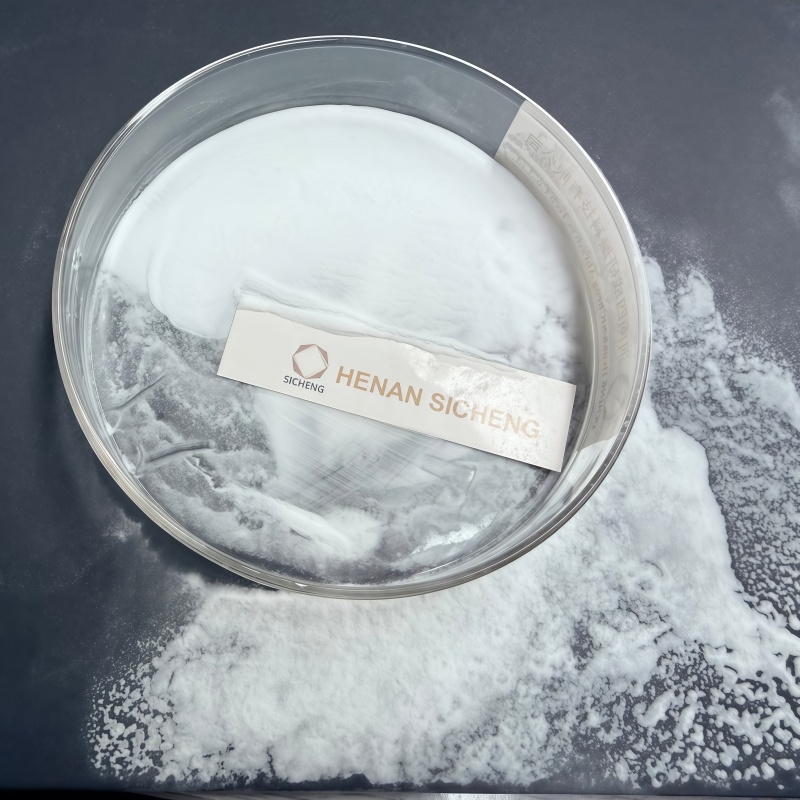
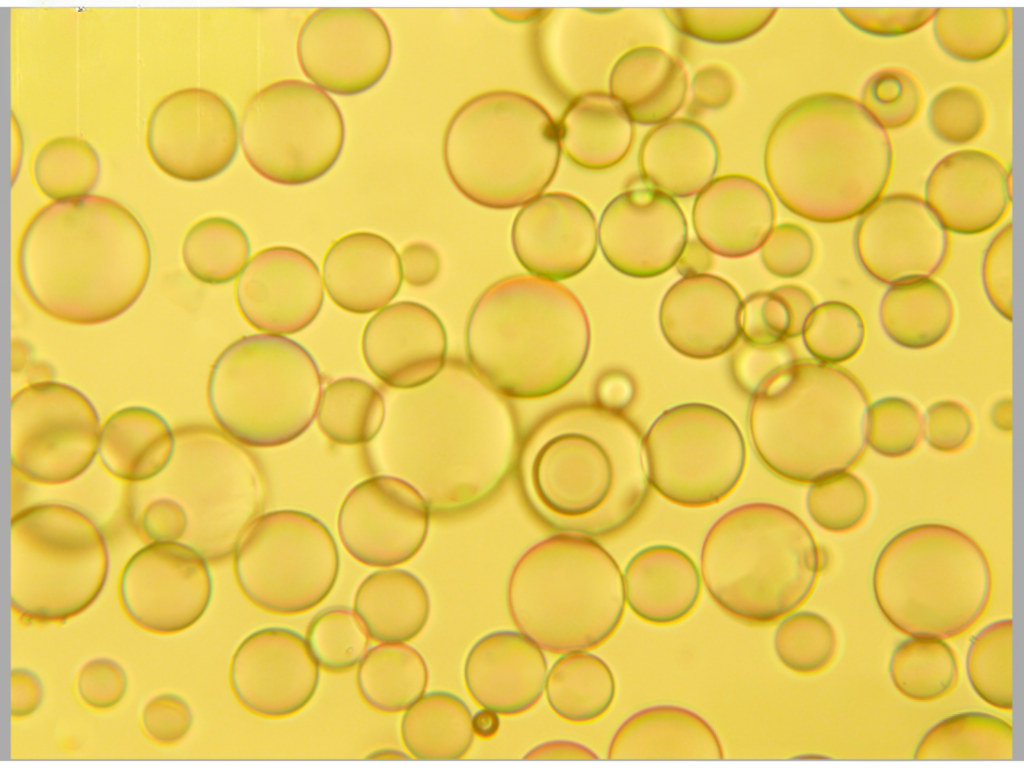
Chemical Compostion:
| SiO2 | 58-71 |
| Na2CO3 | 12-25 |
| B2O3 | 3-12 |
| Al2O3 | 0-10 |
| CaO | 0.2-1.0 |
| Fe2O3 | 0-0.5 |
| MgO | 0-0.05 |
Physical properties:
| True Density | 0.18-0.60g/cm3 |
| Bulk Density | 0.10-0.34g/cm3 |
| Crush Strength | 4-125Mpa/500-18000Psi |
| Survival | Min 90% |
| Flotation | Min 92% |
| Moisture | Max 0.5% |
| Particle Size | D50:20-70um |
| Max. Particle Size: | 200um |
| Melting Point | 1600°C |
Key Properties:
- Ultra-light weightThey greatly reduce the density of plastics, resins and coatings after filling, cutting raw material costs effectively.
- Excellent processing performanceThe perfect spherical shape brings outstanding flowability during injection molding and casting. Products have uniform shrinkage, low warpage and stable dimensional precision.
- Thermal insulation & sound absorptionSealed internal gas hinders heat conduction, making HGMs ideal materials for heat preservation and noise reduction.
- Chemical inertness & electrical insulationResistant to acids, alkalis and aging; non-hydroscopic and highly insulating, suitable for anti-corrosion and electronic insulation scenarios.
- Low oil absorption & high compressive strengthSmooth surface reduces resin consumption; different grades have compressive strength ranging from 10 MPa to 100 MPa to resist crushing under high pressure.
- Non-toxic white appearanceEasy for pigment blending without discoloring finished products.
Main Applications
–Aerospace, marine & deep-sea equipment
Lightweight composite materials, deep-sea buoyancy materials, aircraft interior parts and hull structural parts for weight reduction.
–Automobile industry
Modified plastics, bumpers, interior decorations and tire fillers to save fuel and lower noise.
–Polymer composites
Filler for epoxy resin, polyurethane, PP, PA, PC engineering plastics and fiberglass reinforced plastics to improve stability and wear resistance.
–Coatings & construction materials
Thermal insulation coatings, matte paint, thermal mortar, fireproof and sound-insulating boards.
–Petroleum drilling
Low-density cement for well cementing and drilling fluid weight reducers, preventing well collapse in deep high-pressure wells.
–Electronics & biomedicine
Insulating fillers for circuit boards, lightweight packaging materials; drug sustained-release carriers and bone repair scaffolds.